Craftsman roofer in the heart of the Auvergne Volcanoes Regional Nature Park
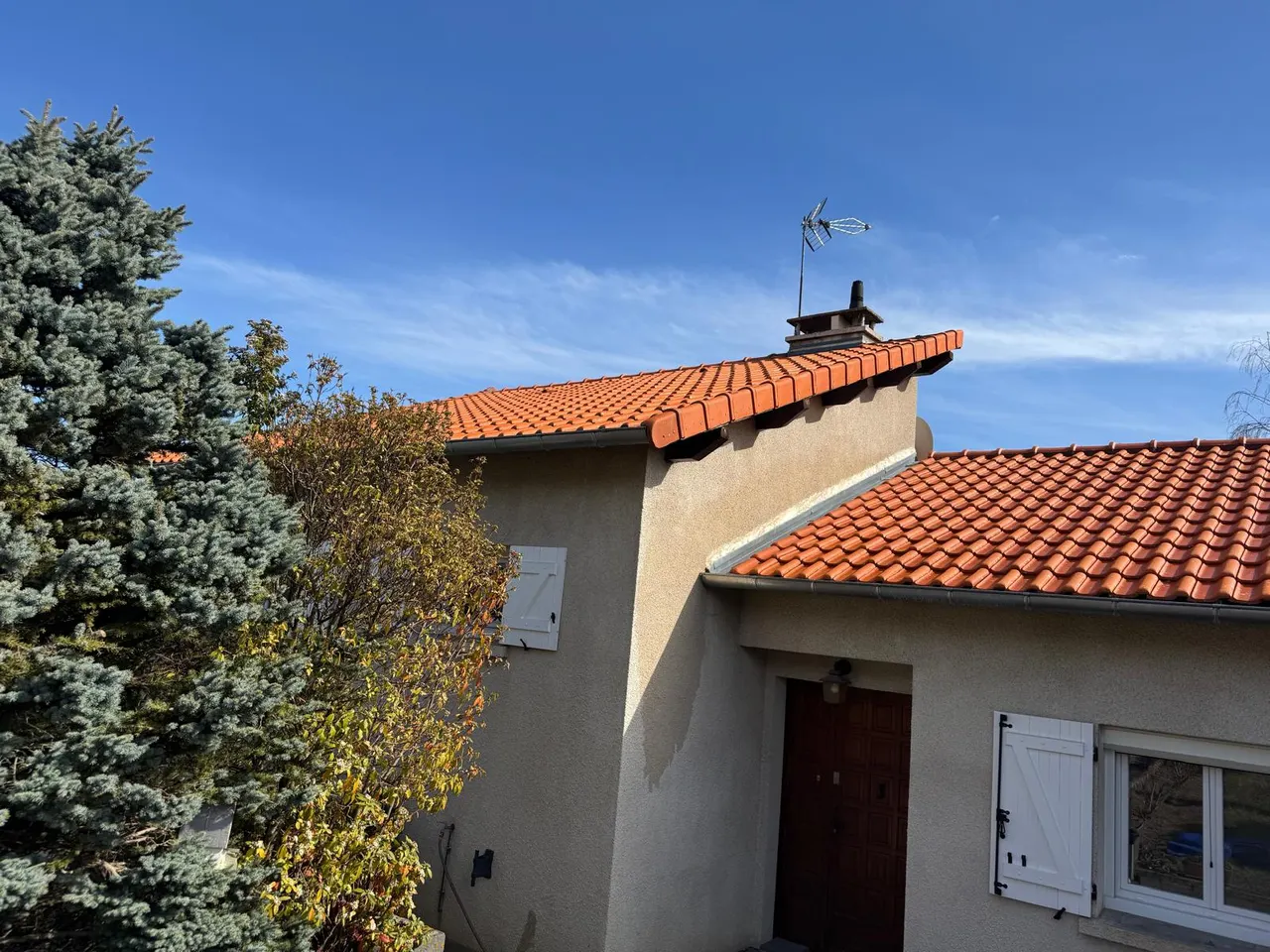
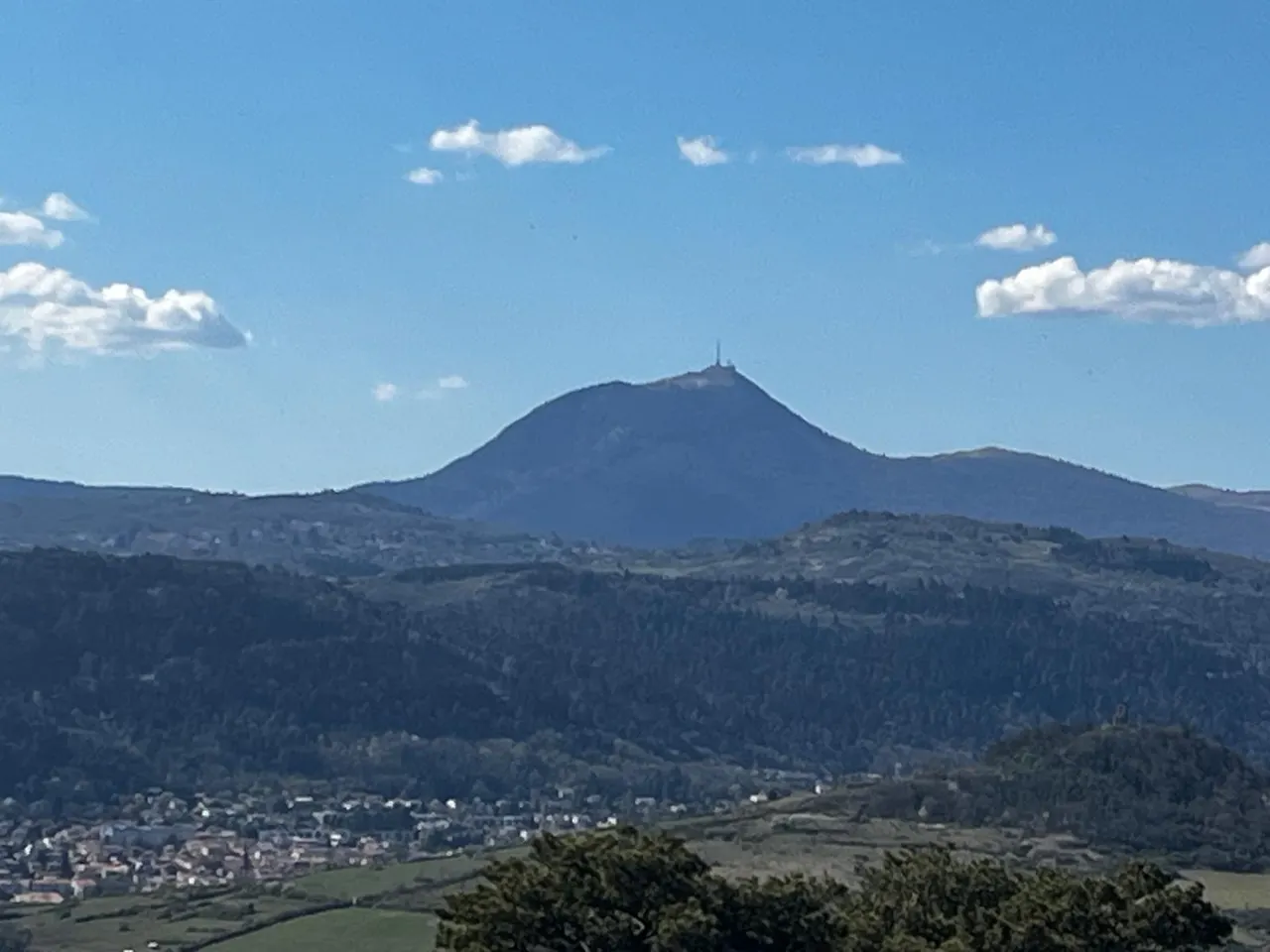
Ceyrat is a residential commune of nearly 6,400 inhabitants, located 6 km south-west of Clermont-Ferrand. The commune covers 9.35 km² between 428 and 804 metres altitude, on the western slope of the Artière valley. Composed of two villages — Ceyrat and Boisséjour — it is set in a wooded environment of 200 hectares of forest, and is part of the UNESCO territory « Chaîne des Puys – Limagne fault » and the Auvergne Volcanoes Regional Nature Park. The built heritage of Ceyrat blends old wine-grower houses in Volvic stone and arkose, contemporary villas of the Pré Soubre estate and the Boisvallon eco-district. Roofs reflect this diversity: canal tiles and slate for old buildings, interlocking tiles and zinc for recent constructions. The altitude and dense vegetation create a humid microclimate that particularly stresses roofs. Toit des Dômes has been intervening in Ceyrat since 1998 for repair, cleaning, waterproofing treatment and renovation of all roof types. Free on-site estimate within 24h, 10-year warranty on every project.
Why choose TOIT DES DÔMES for your roof in Ceyrat?
Ceyrat extends between the Artière valley and the Puy de Montrognon (699 m). The 200 hectares of communal forest (deciduous, coniferous, chestnut grove) maintain high ambient humidity throughout the year. The altitude (428-804 m) and the position on the Limagne fault expose roofs to a mountain-edge climate: higher precipitation than the plain, frequent frost, westerly winds channelled by the Artière valley. The dense vegetation of the Artière Gorges and Montrognon slopes favours rapid moss and lichen development on north-facing slopes. Volvic stone and canal tile roofs of old buildings, like the mechanical tiles of recent estates, require regular maintenance adapted to this microclimate.
The two villages of Ceyrat and Boisséjour have preserved the character of Auvergnat villages with their wine-grower houses in Volvic stone and arkose. These traditional buildings, some dating from the 18th and 19th centuries, feature steep-pitched roofs covered in canal tiles, sometimes in natural slate. Volvic stone, a local volcanic material, brings a characteristic grey-black tone that requires specific maintenance to preserve its waterproofing and aesthetics.
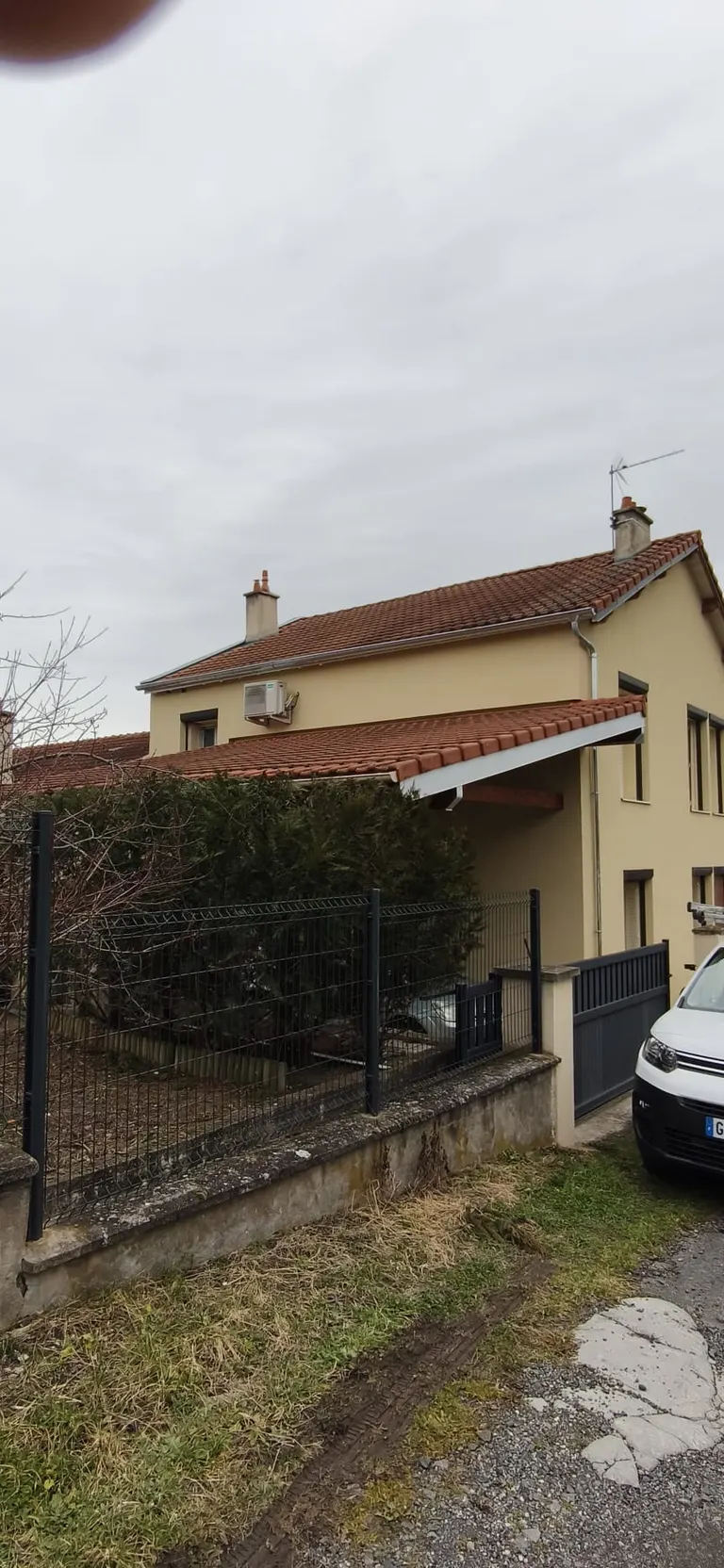
The residential development of Ceyrat from the 1960s, with the Pré Soubre estate and constructions along Beaulieu and Cottages avenues, introduced modern materials: interlocking tiles, pre-patinated zinc, steel trays. These roofs, ageing for the oldest (50-60 years), are reaching the age where maintenance becomes necessary: cleaning, replacement of cracked tiles, zinc work renovation. The Boisvallon eco-district, more recent, uses contemporary materials that require precise technical skills.
Ceyrat is part of the UNESCO territory « Tectonic hotspot Chaîne des Puys – Limagne fault » and the Towns of Art and History label. These recognitions impose particular respect for the architectural character of buildings, particularly in the old centre. At Toit des Dômes, we master traditional techniques for stone and canal tile roofs, while having modern skills for recent constructions.
The Artière valley, crossing Ceyrat from west to east, creates a humid microclimate that stresses roofs more than in the plain. The 200 hectares of communal forest, combined with the dense vegetation of the Artière Gorges and Montrognon slopes, maintain high relative humidity throughout the year. Morning fogs, frequent in autumn and winter, persist longer than in the plain thanks to the enclosed topography of the valley.
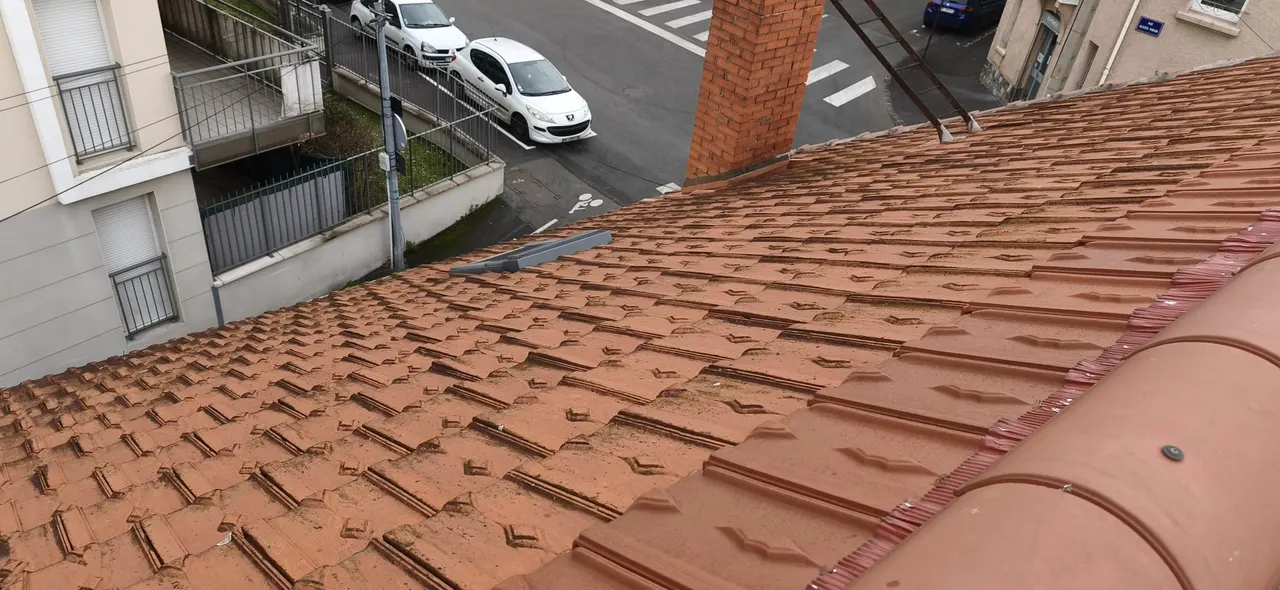
This constant humidity accelerates roof colonisation by mosses, lichens and green algae. On an untreated north slope, the moss layer can reach 2 to 4 cm thick in less than 5 years, retaining water and creating a harmful sponge effect for waterproofing. Canal tiles and Volvic stones, porous materials by nature, are particularly vulnerable. We recommend a cleaning + waterproofing cycle every 5 to 7 years in Ceyrat, more frequent than the departmental average.
The Puy de Montrognon (699 m), classified Natura 2000, harbours biodiversity with Mediterranean influences (green lizard, red-backed shrike, fox-tail orchid). This ecological richness comes with dense vegetation that contributes to ambient humidity. Westerly winds, channelled by the Artière valley, can also be violent during winter storms and tear off tiles or damage zinc work. An annual post-winter inspection is recommended to detect discrete damage.
All our roofing services available in your area.
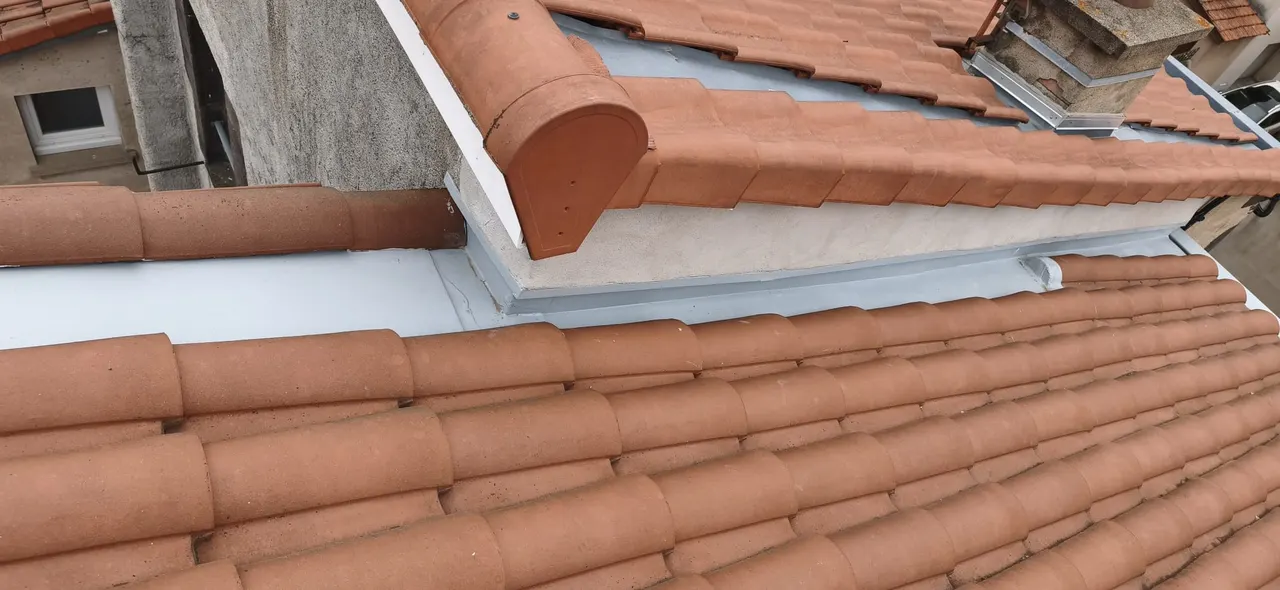
Discover our roofing services available in Ceyrat
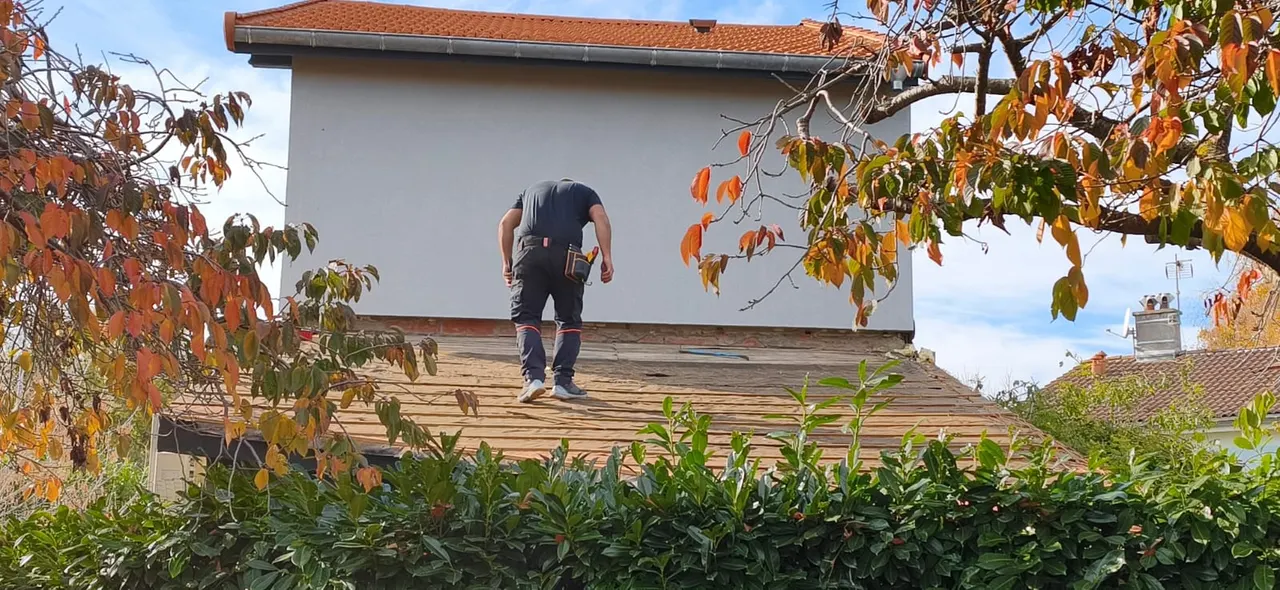
Ceyrat is 6 km from our headquarters. We regularly intervene in both villages of Ceyrat and Boisséjour. Free on-site estimate within 24h: call us at 06 25 09 58 10.
 TOIT DES