 TOIT DES
 Roof Storm Damage: Claims & Insurance
How to respond after a storm, the steps to take with your insurer, and the pitfalls to avoid for proper compensation.
The Right Reflexes After a Storm
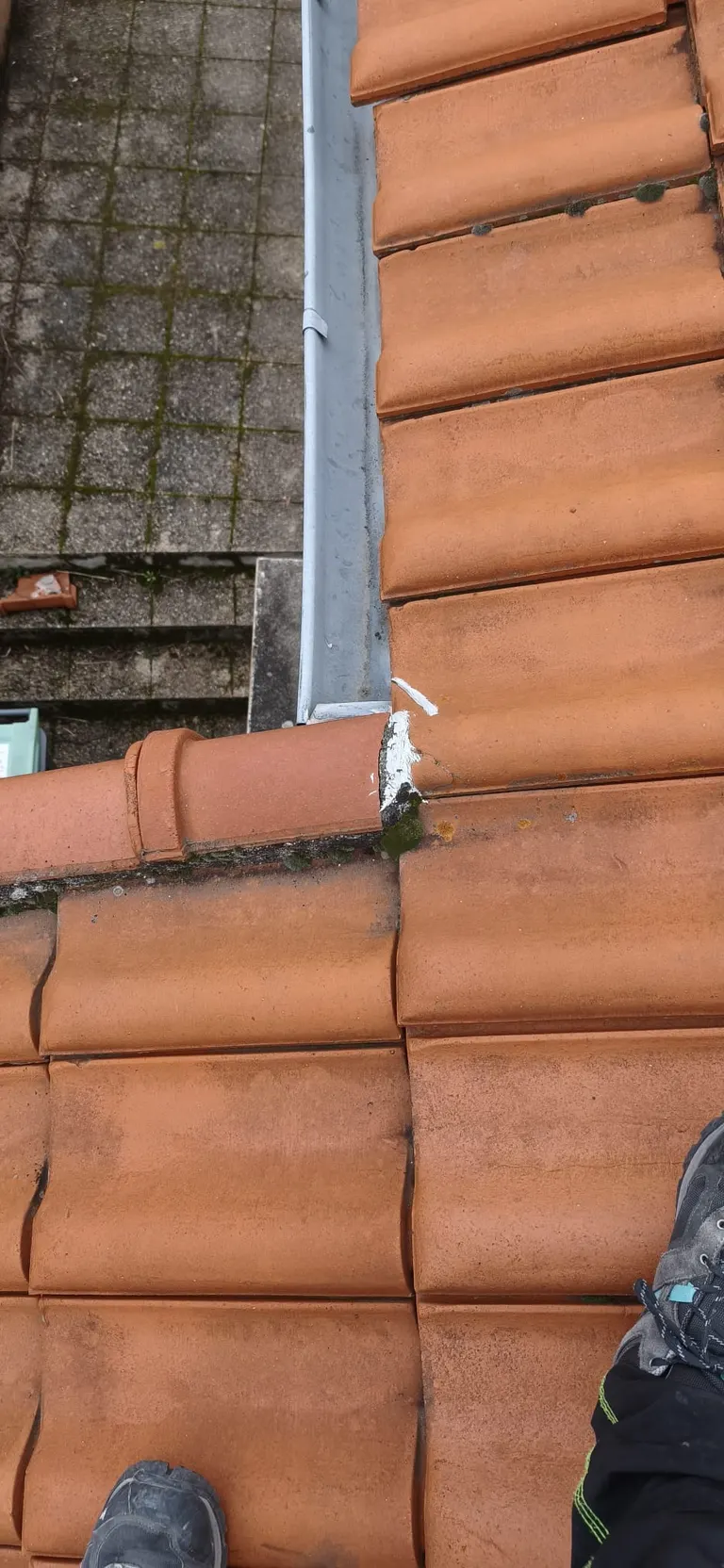
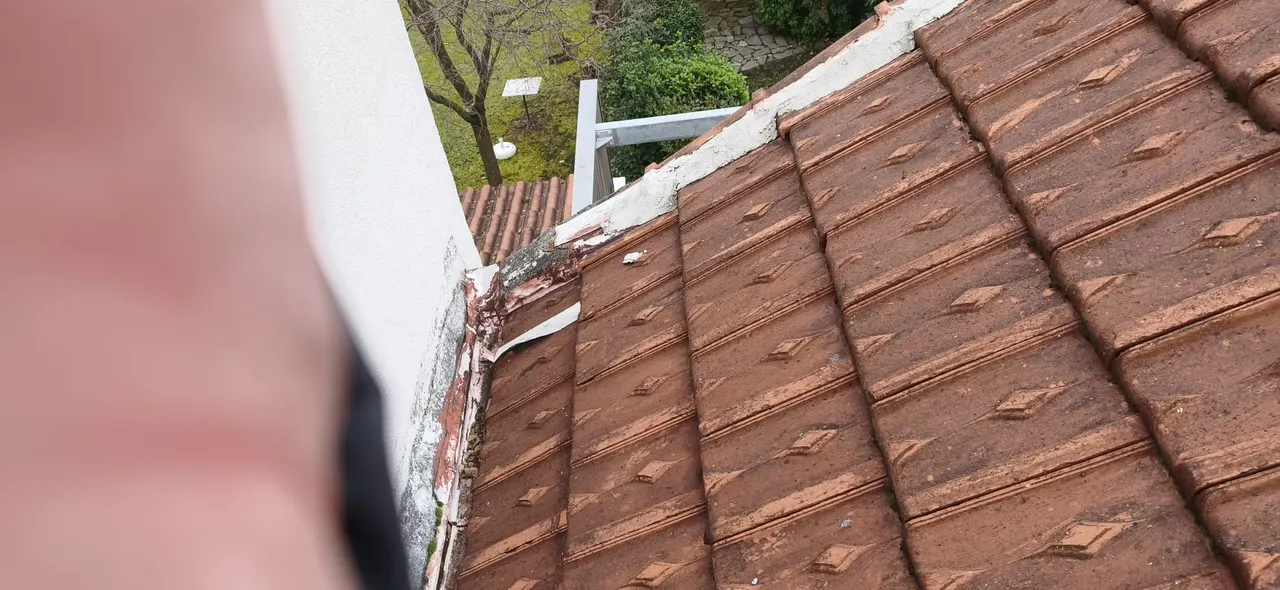
After a storm, safety is the priority. Wait until the wind has died down before going out to inspect the damage. Start with a visual inspection from the ground: blown-off or displaced tiles, torn-off gutters, damaged aerial or chimney, branches fallen on the roof. NEVER climb onto the roof while conditions are not safe — tiles may be unstable and the framework weakened by impacts.
Document the damage immediately and thoroughly: take photos and videos of all visible damage, outside and inside (damp patches, drips, damaged plaster). Also photograph the surroundings: broken branches, debris in the garden, condition of neighbouring properties — these elements attest to the severity of the weather event.
Protect your home without delay: if a leak is active, tarp provisionally from inside (loft) with a waterproof tarpaulin temporarily fixed, or call an emergency roofer for a professional external tarp. These 'protective measures' are essential to limit damage and are fully reimbursed by insurance — keep all invoices carefully.
Insurance Claim: The Timeline to Follow
The legal deadline for declaring a storm claim to your insurer is 5 working days after discovering the damage. In the case of a natural disaster decree published in the Official Journal, this deadline is extended to 10 days. These deadlines are strict: a delay can result in total or partial refusal of cover. Do not hesitate, even if you haven't had the damage costed yet.
Your declaration must contain the following: your contact details and policy number, the approximate date and time of the event, the nature of the claim, a detailed description of the damage found, supporting photos and videos, a first estimate of the damage, and invoices for any emergency work.
Send your declaration by recorded delivery letter to your insurer. You can also submit online via your insurer's customer portal, by phone, or in person, but always follow up with a recorded letter which constitutes legal proof with a certified date. Keep a copy of everything you send.
If the storm was declared a natural disaster, mention this explicitly in your declaration. This cover is mandatory in all multi-risk home insurance policies and offers broader coverage than standard storm cover.
Assessment and Compensation: How It Works
For damage below a certain threshold, the insurer proceeds with direct compensation based on your declaration and photos. This is the most common scenario for minor roof damage.
For more significant damage, the insurer will appoint a loss adjuster who will visit your property to assess the damage on site. This adjuster is paid by the insurer. They will draft a report with a costing of the necessary works. You have the right to dispute their assessment if you think it is undervalued.
Get your own quote from a professional roofer BEFORE the adjuster's visit. This counter-quote is your best negotiation tool. It shows the adjuster that you know the true value of the works and strengthens your position in case of disagreement.
Compensation generally covers reinstatement to identical condition, minus the contractual excess and a possible depreciation coefficient on materials. The depreciation coefficient is a percentage discount applied based on the age and condition of damaged materials.
Counter‑Assessment: Your Rights in Case of Disagreement
If you consider the insurer's adjuster's offer insufficient, you have the right to request a counter-assessment. You can appoint your own assessor, at your expense. If the two assessors cannot agree, a third is jointly appointed, and their decision is binding on both parties.
Before engaging a costly counter-assessment, start by disputing the initial valuation in writing, attaching your own detailed quotes. In many cases, the insurer revises their offer after receiving realistic counter-quotes.
You are not obliged to use the contractor proposed by the insurer. You are free to choose your roofer. The insurer pays you the compensation, and you have the work carried out by the professional of your choice.
Pitfalls to Avoid
Do not carry out permanent repairs before the adjuster's visit (except emergency protective measures). If you completely replace the roof before the assessment, the insurer may dispute the amount or refuse cover on the grounds that they could not verify the damage. Emergency work (tarping, making weathertight) is authorised and reimbursed — permanent repair work must wait for the adjuster's green light.
Beware of 'storm chasers': after every major weather event, itinerant firms (sometimes without a registered office, without 10-year warranty insurance, without qualifications) canvass door-to-door with prices inflated by 30 to 50%. They exploit the urgency and anxiety of homeowners to push excessive quotes and sometimes shoddy work. Always check: business registration, valid 10-year warranty insurance, verifiable physical address, and online customer reviews.
Never sign a quote under door-to-door pressure. You have a 14-day cooling-off period for any contract signed away from business premises (at your home). Take time to compare quotes and verify the professional's credentials.
At Toit des Dômes, we are a local craftsman established in Clermont‑Ferrand for over 25 years. We support you at every stage: emergency response (tarping within 24-48h), detailed quote for your insurance file, attendance at the adjuster's visit if you wish, and repair work with 10-year warranty. Call 06 25 09 58 10 — no canvassing, no pressure.
Prevention Is Better Than Cure: Protecting Your Roof Before the Storm
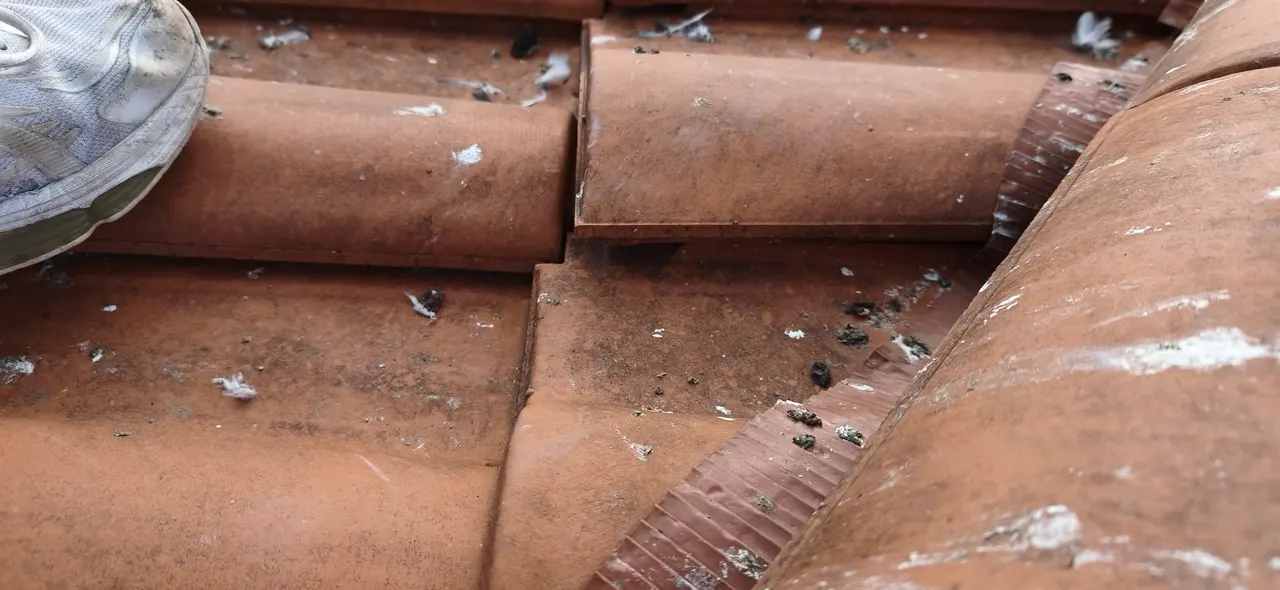
Storms are unpredictable, but their damage can be limited by preventive maintenance. Have your ridge fixings, hip ridges, and ventilated closers checked every year — they are the first elements to fail in high winds. Replace cracked or porous tiles that risk shattering on impact. Prune tree branches that overhang your roof.
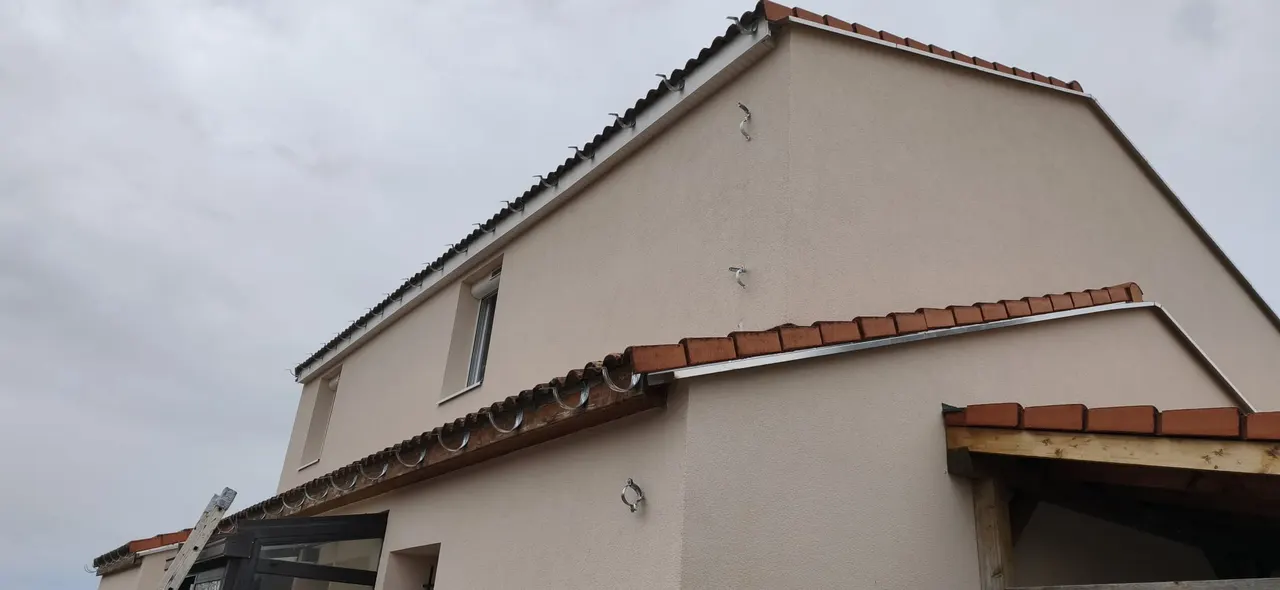
If you live in a wind-exposed area (Allier valley, Gergovie plateau, Chaîne des Puys foothills), consider reinforcing your tile fixings. Storm clips or screw fixings can secure the most exposed tiles — along the eaves, at the ridge, and on slopes facing the prevailing wind — for a modest cost compared to the potential damage from a storm.
Need a professional roofer?
Free, no-obligation estimate in Clermont-Ferrand and Puy-de-Dôme (63).